Meet the Linda Lindas, the Tween Punk Band Who Called Out Racism & Misogyny and Scored a Record Deal
“Sticks and stones may break my bones,” we chanted as kids, but “words will never hurt me.” The saying seems to both invite physical violence and deny the real effects of verbal abuse. Maybe this was once effective as a stock playground retort, but it’s never been true, as anyone who’s been picked on as a child can attest. When the taunts are racist, the damage is exponentially multiplied. Not only are kids being singled out and mocked for immutable characteristics, but their family and entire culture of origin are being targeted.
What to do? Lash out? Fight back? Ignore it and pretend it isn’t happening? To quote another cliche, “the best revenge is success.” More appropriately for the case at hand, take an original line from Radiohead’s Thom Yorke: “Be constructive with your blues.”
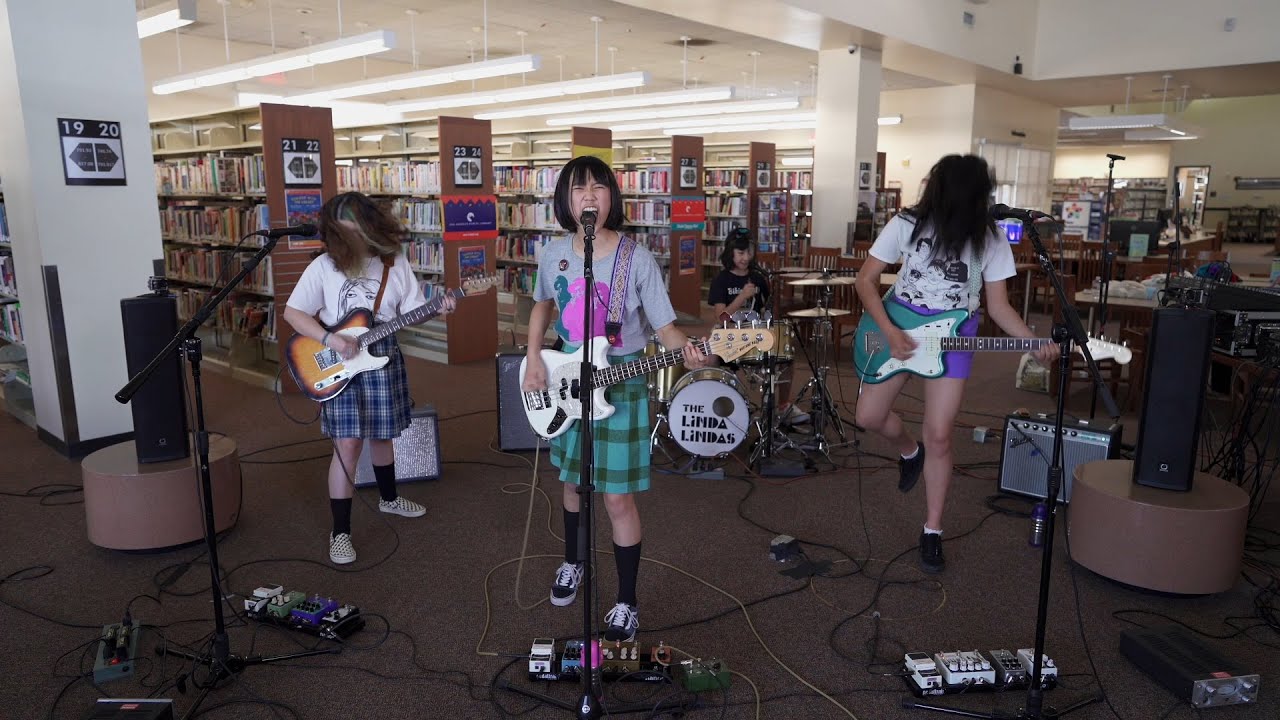
The Linda Lindas, a four-piece punk band ranging in age from 10 to 16 would agree. When one of the girls was harassed by a classmate, they got bummed about it, then rallied, wrote a song, went viral, and scored a record deal. Dealing with bullies will rarely lead to such joyful results, but it’s worth paying attention when it does.
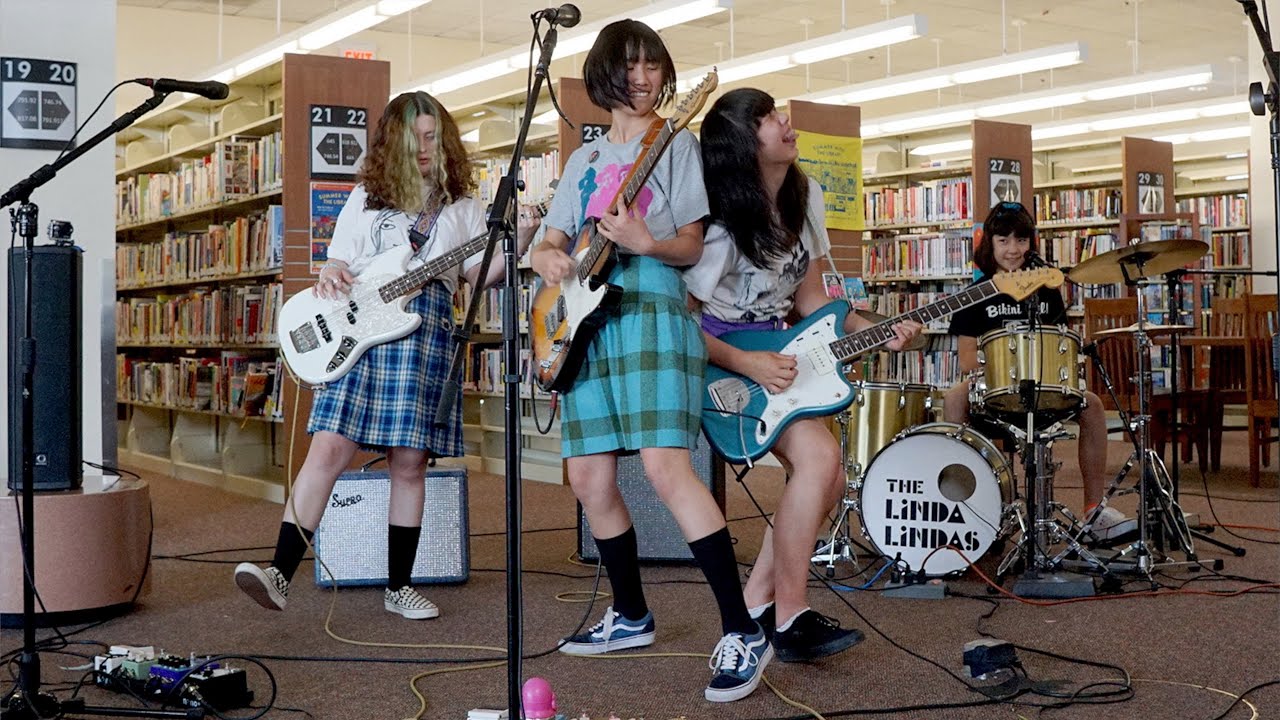
The song, “Racist, Sexist Boy” has “become something of a 2021 anthem,” writes NPR, with its gleeful call-outs (“Poser! Blockhead! Riffraff! Jerk face!”) and crunchy power chords. “In what has become a very familiar cycle to music-industry watchers, the band landed a record deal almost as soon as its video went viral,” signing with L.A.’s Epitaph Records. “By Friday, the band’s performance of ‘Racist, Sexist Boy’ had been posted on Epitaph’s YouTube channel.” The video comes from a performance at the Los Angeles Public Library, which you can watch in full above, with an introduction and interview with the band. (See a setlist on YouTube and don’t miss their cover of Bikini Kill’s “Rebel Girl” at 35:56.)

So, who are the Linda Lindas? On their Bandcamp page, they describe themselves as “Half Asian / half Latinx. Two sisters, a cousin, and their close friend. The Linda Lindas channel the spirit of original punk, power pop, and new wave through today’s ears, eyes and minds.” You can meet the multi-talented tweens and teens in the video above, made in 2019 by a fifth grade teacher to inspire his students. The girls are hardly new to the music business. Clips in the video show them performing with Money Mark and opening for Bikini Kill. They got their start in 2018 at Girlschool LA, “a celebration of females challenging the status quo,” and they’ve been mentored by Karen O of the Yeah Yeah Yeahs.
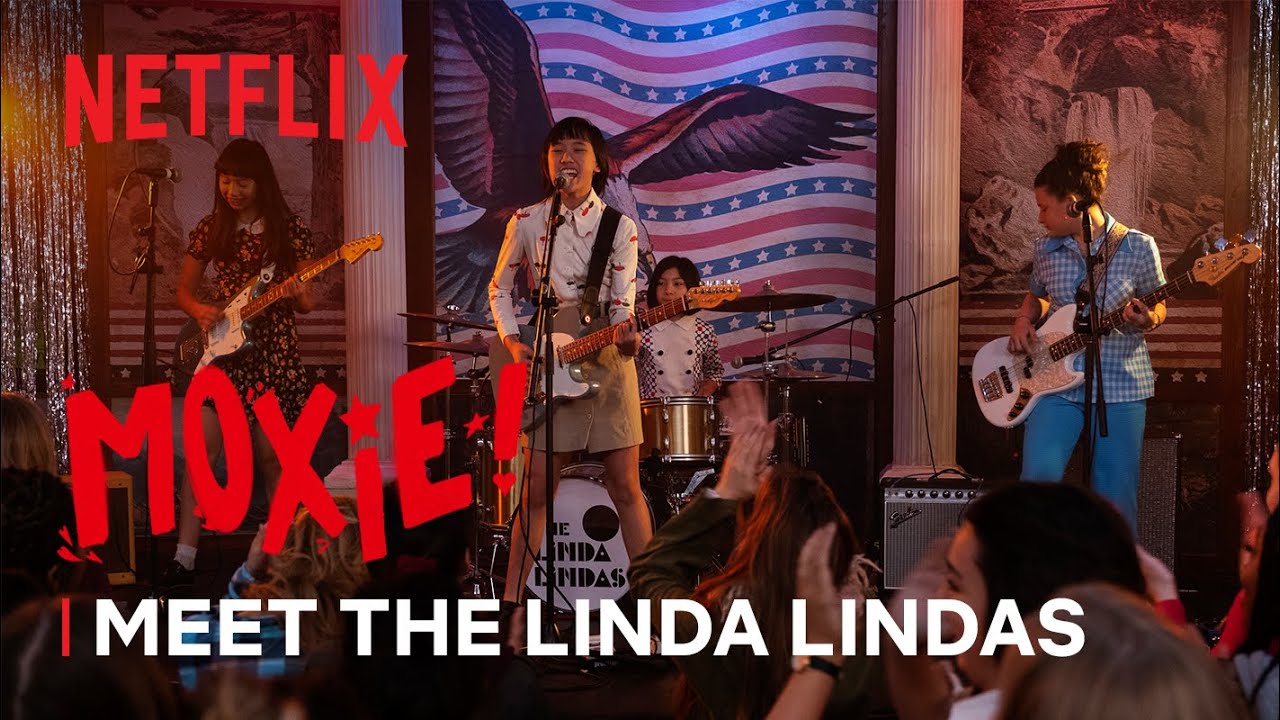
The Linda Lindas also captured the attention of Amy Pohler, who featured the band in her Netflix documentary Moxie. See a clip above. Not every kid who fights bullying with music — or art, science, sports, or whatever their talent — can expect celebrity, and we shouldn’t set kids up to think they can all win the internet lottery. But the Linda Lindas have become heroes for millions of young girls who look like them, and who dream not of fame and fortune but of a united front of friendship and fun against racism, misogyny, and the pains of growing up.
Related Content:
Hear 11-Year-Old Björk Sing “I Love to Love”: Her First Recorded Song (1976)
Josh Jones is a writer and musician based in Durham, NC. Follow him at @jdmagness
Meet the Linda Lindas, the Tween Punk Band Who Called Out Racism & Misogyny and Scored a Record Deal is a post from: Open Culture. Follow us on Facebook and Twitter, or get our Daily Email. And don't miss our big collections of Free Online Courses, Free Online Movies, Free eBooks, Free Audio Books, Free Foreign Language Lessons, and MOOCs.


from Open Culture https://ift.tt/2SyC385
via Ilumina
Comments
Post a Comment